
Location and Size:
Bwindi Impenetrable National Park is located in southwestern Uganda, nestled along the edge of the Albertine Rift Valley, which is part of the Great Rift Valley. The park covers about 331 square kilometers (128 square miles) of rugged, mountainous terrain, making it one of Uganda’s most biologically diverse areas.

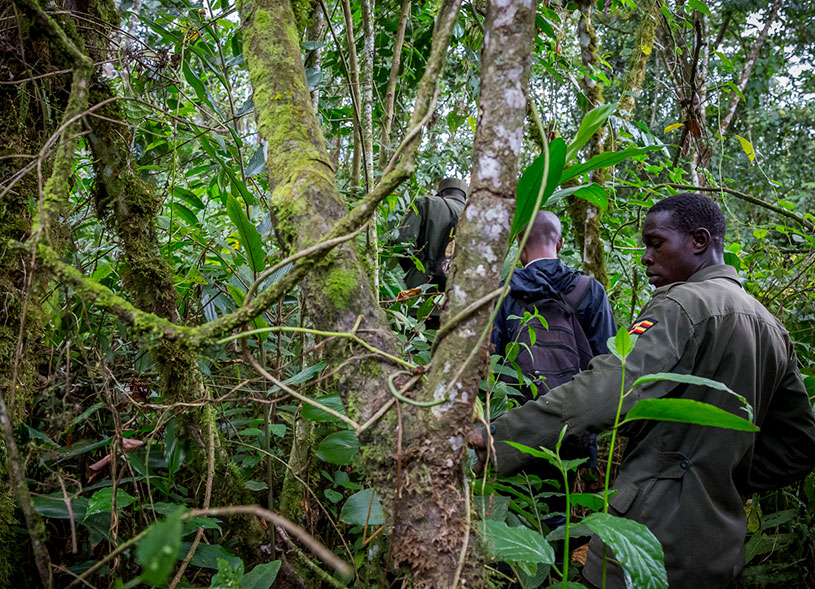
It is renowned for its dense forests, steep ridges, and dramatic landscape that live up to its name—impenetrable. The park lies at an elevation range of 1,160 to 2,607 meters above sea level, with its diverse altitudes contributing to its variety of habitats.
World Heritage Status:
In 1994, Bwindi Impenetrable National Park was declared a UNESCO World Heritage Site due to its incredible biodiversity and ecological significance. The park’s rich ecosystem and commitment to conservation make it one of the most important protected areas in Africa.

While gorillas are the park’s main draw, Bwindi is also home to over 120 other species of mammals. Some of the notable species include:
Bwindi is a birder’s paradise, with over 350 species of birds, including 23 Albertine Rift endemics that are found nowhere else on Earth. Birding enthusiasts flock to the park to spot species like:
This makes Bwindi one of the top birding destinations in Africa.
Apart from mammals and birds, Bwindi harbors about 27 species of frogs, geckos, and chameleons, many of which are endemic to the park. It also boasts over 200 species of butterflies, adding vibrant life to the forest ecosystem.
This is the main attraction in Bwindi and one of the most profound wildlife experiences in Africa. Visitors can track one of the several habituated gorilla groups, with each trek accompanied by expert guides. Upon finding the gorillas, tourists are allowed to spend one hour with them, observing their social behavior, feeding habits, and interactions. Gorilla trekking permits must be obtained in advance, and the number of visitors is strictly limited to protect the animals.
For those seeking a more immersive experience, Bwindi offers the gorilla habituation experience. This is a unique opportunity where visitors can spend up to four hours with a semi-habituated gorilla group, observing researchers as they gradually acclimate the gorillas to human presence.
Bwindi offers several hiking trails through its dense forest, allowing visitors to explore its rich biodiversity. Popular trails include:
The Batwa people, also known as the pygmies, are the indigenous inhabitants of the forest who lived there long before it became a national park. Visitors can engage in the Batwa cultural experience, where they learn about the Batwa’s traditional ways of life, including hunting, gathering, and using medicinal plants.

This experience helps support the Batwa community, which was displaced from the forest after its designation as a protected area.
With its wide array of bird species, Bwindi offers excellent birdwatching opportunities. Visitors can hire local guides who specialize in identifying the park’s birds, particularly those endemic to the Albertine Rift.
Community walks around Bwindi allow visitors to engage with local residents and learn about their daily lives. Tourists can visit schools, traditional healers, tea plantations, and local craft markets, contributing directly to the community’s welfare through tourism.
Bwindi Impenetrable National Park is a focal point for conservation efforts, particularly regarding the protection of mountain gorillas. The Uganda Wildlife Authority (UWA) works alongside conservation organizations such as the International Gorilla Conservation Programme (IGCP) to ensure the gorillas’ survival. Strict regulations govern gorilla trekking to minimize human impact on the animals, and only a limited number of permits are issued each day.
Conservation initiatives also extend to the local communities around Bwindi, emphasizing eco-tourism, reforestation, and alternative livelihood programs to reduce the pressure on natural resources. Many lodges in the area adopt sustainable practices, contributing to both the environment and the welfare of surrounding villages.
The best time to visit Bwindi Impenetrable National Park is during the dry seasons, from June to August and December to February. During these months, the forest trails are less muddy and easier to navigate. However, Bwindi’s location in a tropical rainforest means that rain can fall at any time, so visitors should be prepared for sudden showers.
Bwindi can be accessed by both road and air:
Bwindi offers a range of accommodation options that cater to different budgets and preferences. Options range from budget campsites and community lodges to luxury eco-lodges that offer spectacular views of the forest.
Popular accommodations include:
Bwindi Impenetrable National Park is a must-visit destination for nature lovers, adventure seekers, and conservation enthusiasts. From its iconic mountain gorillas to its pristine biodiversity, Bwindi offers an unforgettable experience of one of Africa’s last remaining tropical forests. Visitors leave not only with memories of seeing majestic gorillas but also with a deeper understanding of the intricate relationship between wildlife, conservation, and local communities.


